Net Power Adds 123 MW in Rights Deal for Permian Power Project
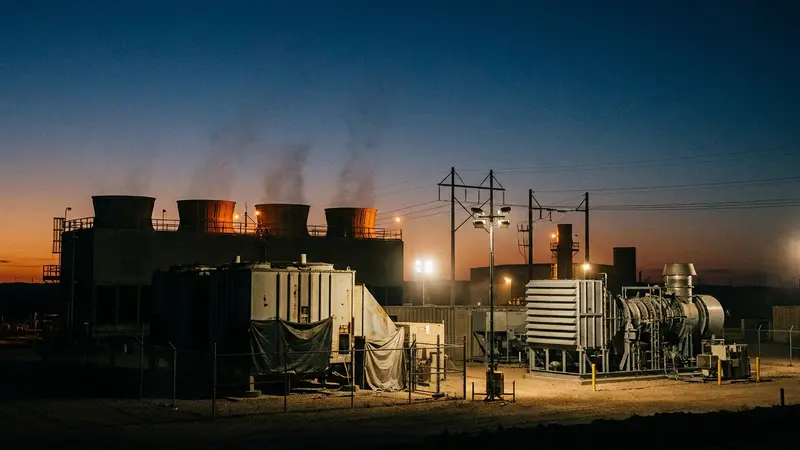
Houston-based Net Power has locked in rights to 123 megawatts of gas-fired power generation equipment for its Project Permian site, bringing total potential capacity to almost 200 MW, Permian Basin Oil & Gas Magazine reports.
Market Impact
The deal marks Phase I progress on Net Power’s first “powered land” project in Texas, the energy technology company’s inaugural site focused on large-load power customers. Alongside the equipment rights agreement, Net Power also struck a cost reimbursement arrangement with a prospective end customer, a structure the company says lets it move faster on future capacity deals.
Danny Rice, Net Power’s CEO, said in an August 24 statement that the agreements “provide us the opportunity to secure and deliver more power sooner with appropriate financial protections.” Rice added the company hopes to use the same structure “to secure additional generation capacity for early deployment at our first project.”
Net Power did not disclose a total project cost, in-service date, or site location details beyond identifying Project Permian as its first Texas powered land project.
What It Means for Subcontractors
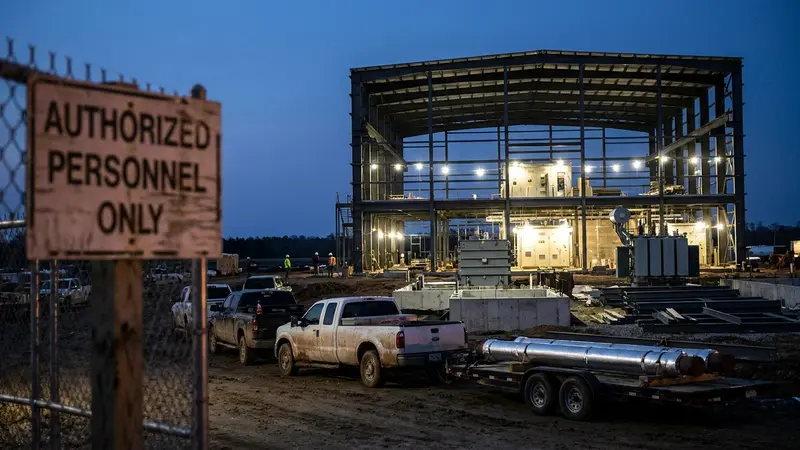
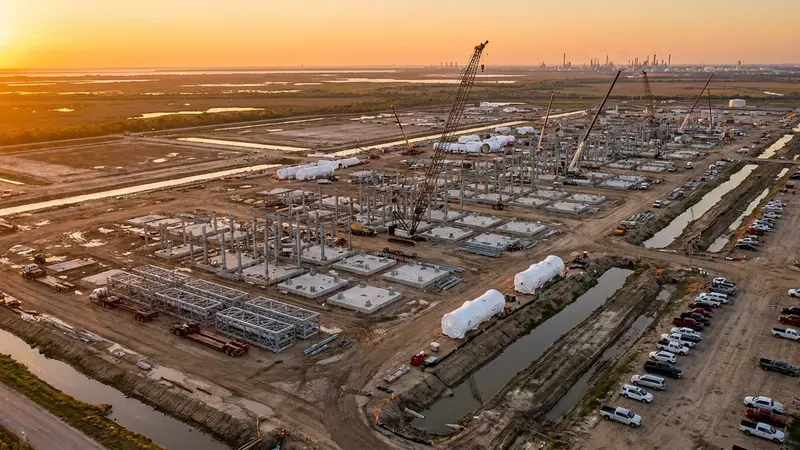
- Gas-fired generation equipment on this scale typically requires E&I, mechanical, and civil crews for site prep, foundations, and equipment installation once Net Power moves from equipment rights to construction on Phase I.
- Electrical subcontractors serving large-load customers in the Permian Basin should note Net Power’s stated strategy of replicating this cost reimbursement structure, which could open additional capacity deals and related field work beyond the initial 123 MW package.
- Companies with experience in oilfield power infrastructure should track Net Power’s next announcements for Project Permian, since the company has signaled it intends to add generation capacity incrementally rather than in one large buildout.
- EPC firms bidding on gas-fired power projects in Texas can use this deal as an early signal of demand, since almost 200 MW of potential capacity at a single site suggests a multi-phase construction schedule rather than a single mobilization.