Magnolia Oil & Gas Targets WildFire Energy in $4 Billion Eagle Ford Deal
According to a Bloomberg report via World Oil, Magnolia Oil & Gas Corp. has emerged as the front-runner to acquire privately held WildFire Energy for more than $4 billion in what would be the Houston-based shale producer’s largest acquisition to date.
Deal Details and Market Context
Magnolia is reportedly poised to win the auction for WildFire, which is backed by private equity firms Warburg Pincus and Kayne Anderson. A deal could be announced within weeks, though sources cautioned that deliberations remain fluid and another bidder could still emerge. WildFire’s owners could also choose to retain the asset.
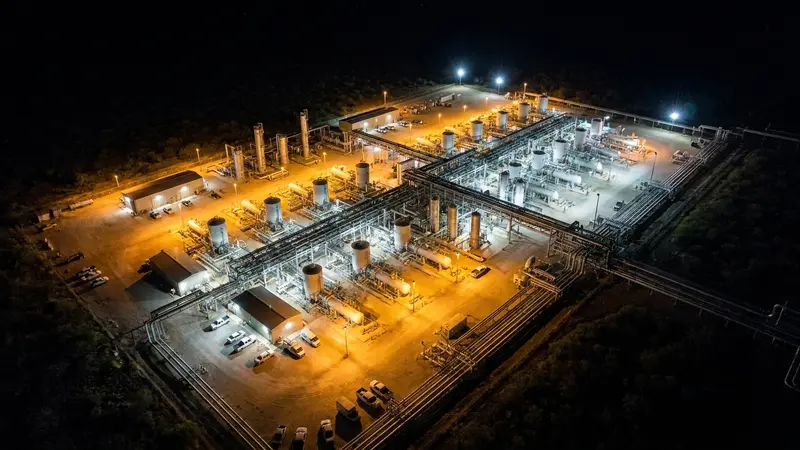
WildFire operates more than 2,000 wells with net production exceeding 50,000 barrels of oil equivalent per day, according to its website. The company is led by a management team that previously ran WildHorse Resource Development Corp., which sold to Chesapeake Energy in 2019 for $1.9 billion. Magnolia’s shares fell 1.5% to $26.78 on Friday following news of the potential deal, giving the company a market value of roughly $5.1 billion.
The potential acquisition fits a broader trend in US shale, where publicly traded operators have been consolidating to gain scale and reduce costs as prime well locations grow scarcer. Private equity firms are also actively marketing several closely held oil and gas companies worth tens of billions of dollars combined, a dynamic the report links to higher crude prices following the Iran war.
What It Means for Subcontractors
- A combined Magnolia-WildFire entity operating more than 2,000 Eagle Ford wells would represent a significantly larger contract base for well servicing, completion, and production maintenance companies working in South Texas.
- Consolidation under a single operator typically means standardized vendor programs and preferred contractor lists, so subcontractors not already on Magnolia’s approved vendor roster should pursue qualification now, before any deal closes.
- Increased scale often drives operators to negotiate harder on rates, but it can also mean more consistent work volume and longer-term service agreements, which benefits field service companies that can commit to capacity.
- If the deal closes, expect a transition period with potential operational overlap and contract reviews. Subcontractors currently working WildFire acreage should confirm continuity plans and communicate proactively with both operations teams.