FERC's Large-Load Orders Could Decide Which Data Centers Get Built First
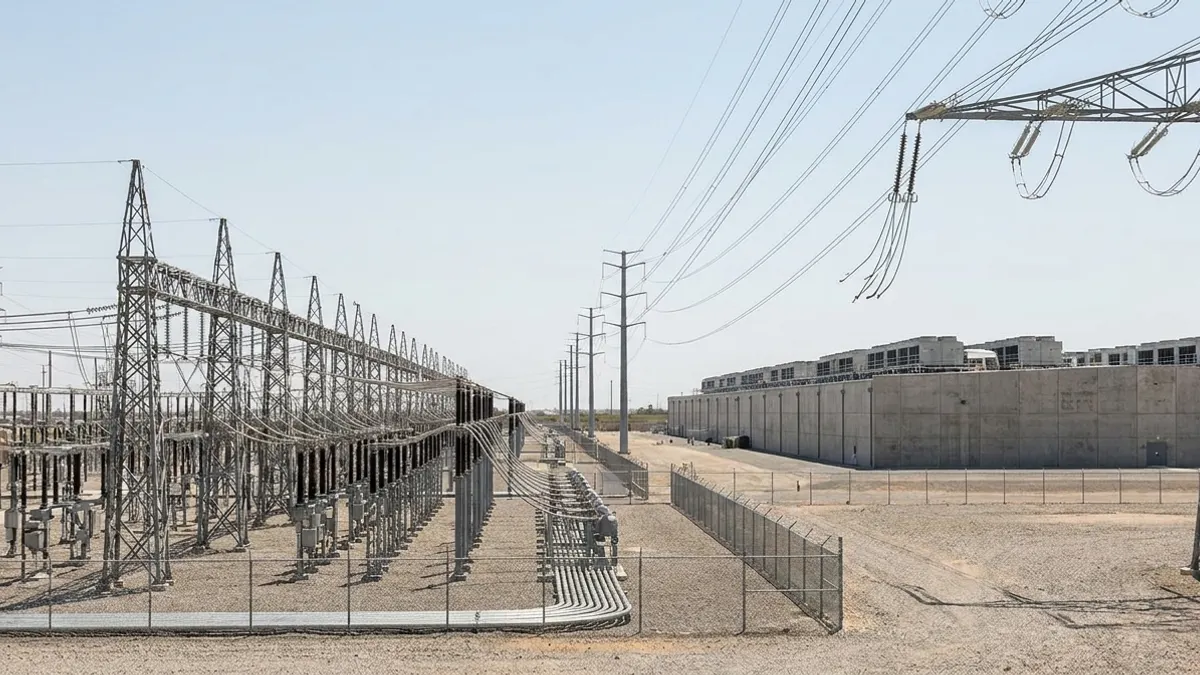
Data center campuses worth hundreds of millions of dollars are sitting fully built, fully commissioned, and completely unable to turn on because they lack a firm grid connection, according to a Utility Dive opinion piece by Shalin Savalia, a senior electrical engineer at Amazon Web Services. His argument: FERC’s June 18 show cause orders finally target that bottleneck, but only developers willing to offer the grid flexibility in return will actually get power faster.
Background
FERC issued six show cause orders under Section 206 of the Federal Power Act, one to each FERC-jurisdictional grid operator: PJM, MISO, SPP, CAISO, NYISO and ISO-NE, Savalia writes in Utility Dive. The commission made a preliminary finding that current tariffs are inadequate because they lack clear, consistent rules for connecting large loads to the grid. Each operator now has 60 days to defend its existing tariff or file revisions, plus a separate 30-day deadline to report on how it will ensure enough generation exists to serve these loads.
FERC defined a “large load” as peak demand above 50 MW connecting above 69 kV, roughly the size of a small city’s electric draw. The reforms FERC wants fall into several buckets: a real interconnection process built specifically for large loads, cost transparency so new loads don’t shift network-upgrade costs onto existing ratepayers, clear rules for co-location and behind-the-meter generation, a new transmission service class for loads that can flex demand, and a study process for generation sited directly next to those loads. The action traces back to an October 2025 letter from the Energy Secretary pushing FERC to standardize large-load interconnection rules nationally, per Utility Dive.
Savalia notes that in several states, data centers now account for the majority of projected load growth, which has triggered rate cases, moratorium proposals and local opposition in the communities where projects sit.
Analysis
The order does not add a single megawatt of generation or a mile of transmission line, and Savalia is careful to say so. It is the opening of a regulatory proceeding, not a final rule. Grid operators get 60 days to respond, then comes the filing, protest, and technical-conference cycle, with rehearing requests likely stretching the process well beyond that window.
But the piece argues the order does hit two of the industry’s three core pain points. On inconsistency, forcing all six operators to answer the same standardized questions on the same timeline is the first real attempt to pull large-load interconnection toward a common national playbook, replacing the current patchwork where the same company faces different rules, cost allocations, and timelines in every region it builds in. On the political-blame problem, mandated cost transparency, showing that a data center funds its own network upgrades rather than shifting costs to existing ratepayers, undercuts the rate-case arguments driving local opposition.
The most consequential signal, per the analysis, is FERC’s explicit push for a flexible-load service class and real co-location rules. For years, bringing your own generation on-site has been treated by grid operators as a risk to study indefinitely rather than a legitimate way to speed connection. FERC is now telling the market to build a fast lane for it, but that lane only serves customers willing to actually curtail load, not those still demanding firm, uninterruptible power on their own schedule.
What It Means for Subcontractors
- Electrical and grid-tie subcontractors should expect data center clients to start requesting flexible-load and demand-curtailment capability built into interconnection packages over the next 60 to 90 days, as PJM, MISO, SPP, CAISO, NYISO, and ISO-NE respond to their FERC filing deadlines.
- Firms working on on-site backup generation, switchgear, and cooling-plant controls should position for scope expansion: campuses that can demonstrate curtailable load and behind-the-meter generation capacity may move to the front of interconnection queues once operators revise tariffs.
- Co-location and behind-the-meter generation work, historically slow-walked in utility studies, is a named reform bucket in FERC’s order; EPC and mechanical/electrical subcontractors bidding on generation sited adjacent to large loads should track each RTO’s tariff filings as they land within the 60-day window following June 18.
- Projects above the FERC threshold, 50 MW peak demand connecting above 69 kV, are the ones affected by these directives; subcontractors should confirm which active or pipeline data center jobs fall above that line, since smaller loads remain under existing case-by-case processes.
- Cost-allocation transparency requirements mean subcontractors negotiating network-upgrade scope should expect clearer, earlier documentation of who pays for grid upgrades, reducing the risk of stalled payment disputes tied to ratepayer-cost political pushback in host communities.