Equinor Barents Sea Discovery Adds Up to 24 Million Barrels to Johan Castberg Portfolio
According to Drilling Contractor, Equinor has made an oil discovery at the “Polynya Tubåen” prospect (well 7220/7-5) in the Barents Sea, with recoverable volumes estimated between 14 and 24 million barrels of oil equivalent, to be tied into the existing Johan Castberg field.
Growing Castberg Cluster Creates Sustained Work Scope
Johan Castberg originally held an estimated 500 to 700 million barrels of recoverable reserves. Equinor has set an ambition to add another 200 to 500 million barrels through satellite discoveries and tie-backs, and the Polynya Tubåen find is the latest step toward that goal.
This is the second discovery in the Castberg area in less than a year. In June 2025, the “Drivis Tubåen” discovery came in at 13 to 20 million barrels. Meanwhile, construction has already started on the Isflak development, the first tie-back project to connect into Castberg’s subsea infrastructure. Aker Solutions is building a well frame for two new wells at its Sandnessjøen facility. The Polynya Tubåen well was drilled by the COSL Prospector jackup rig.
What It Means for Subcontractors
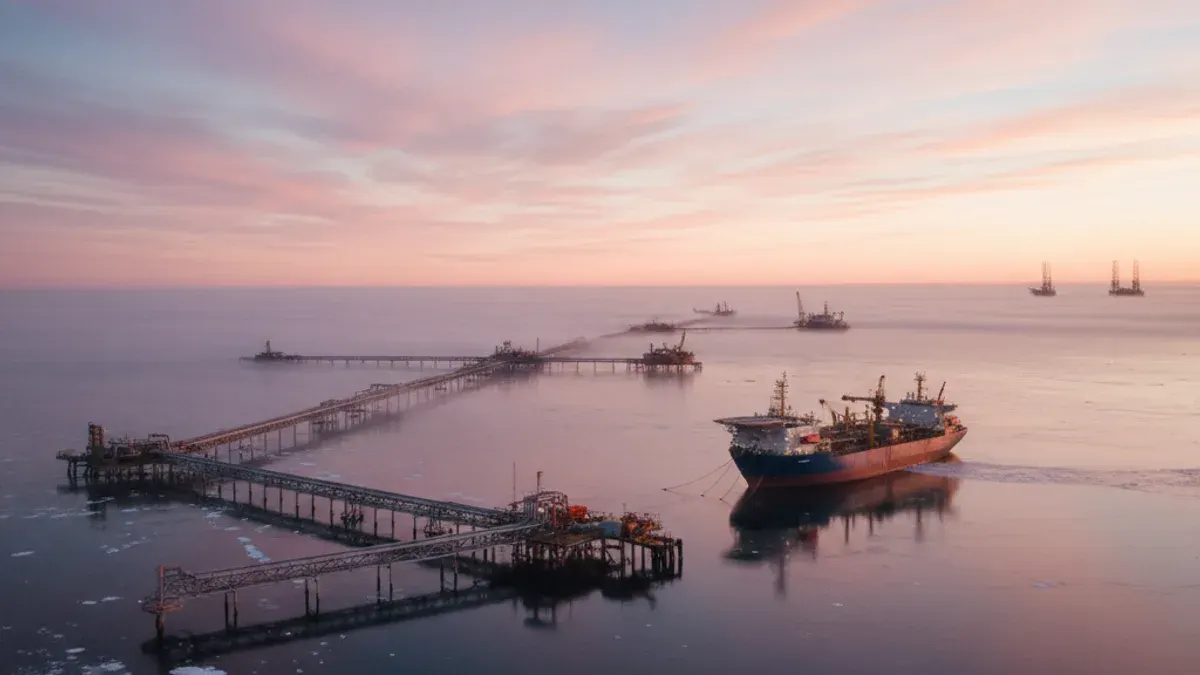
The Castberg cluster is shaping up as a multi-year, multi-project worksite in the Barents Sea. While this is a Norwegian offshore story, it signals the kind of satellite tie-back development model that is also gaining traction in the Gulf of Mexico and could inform similar programs closer to home.
- Subsea construction and installation contractors should watch the Isflak development closely. The well frame work at Aker Solutions is an early signal of the fabrication and installation scope that follows each tie-back sanction.
- Drilling services and rig contractors benefit directly. COSL Prospector’s role here illustrates ongoing demand for jackup capacity in frontier offshore plays. US-based rig contractors working Gulf of Mexico tie-back programs face comparable scheduling and logistics dynamics.
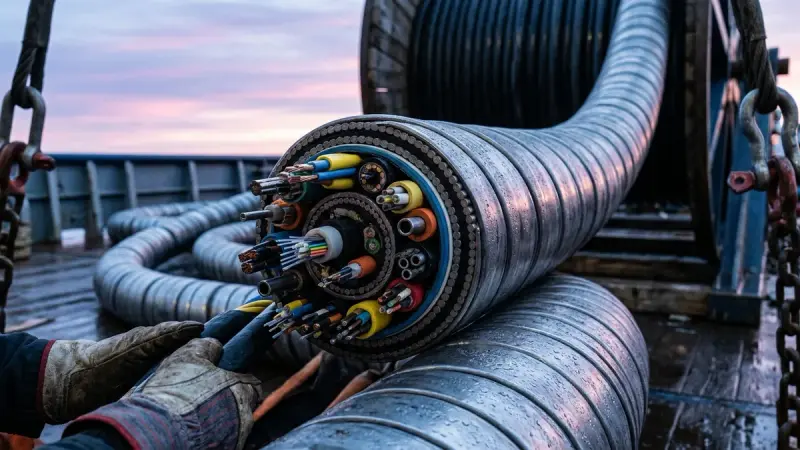
- Inspection, maintenance, and repair (IMR) firms and umbilical and flowline suppliers are well-positioned as each new satellite discovery adds connection points to existing subsea infrastructure, extending the life and complexity of the overall system.
- Logistics and marine support contractors should note that multi-discovery clusters like Castberg require sustained vessel and supply chain support across years, not single-campaign mobilization.
For US subcontractors, the broader takeaway is that tie-back development strategies are becoming standard across major offshore basins, including deepwater Gulf of Mexico, and companies with subsea tie-back experience are increasingly competitive for that work.