Enserva Sees 5,296 Wells in 2027, but Labor Gaps Loom
A Canadian Press report via the Journal of Commerce says Enserva expects 5,296 wells across B.C., Alberta and Saskatchewan in 2027, up about 4%, but warns labor shortages could cap the upside.
Market Impact
The trade group’s annual state-of-the-industry report points to better market conditions and a more supportive political climate. By commodity, it forecasts:
- Natural gas: up 7% after two years of declines, with new LNG projects advancing.
- Conventional oil: up 4%, on continued high commodity prices.
- Oilsands: up a modest 2%. Longer-term growth depends on progress on the proposed Pacific Link pipeline to southern B.C. and environmental policy reforms.
The report says the sector “stands to benefit from substantial drilling activity should many of the proposed LNG, data centre and pipeline projects advance.” Our arithmetic, not the source’s: a 4% gain implies roughly 200 more wells than this year’s projected level.
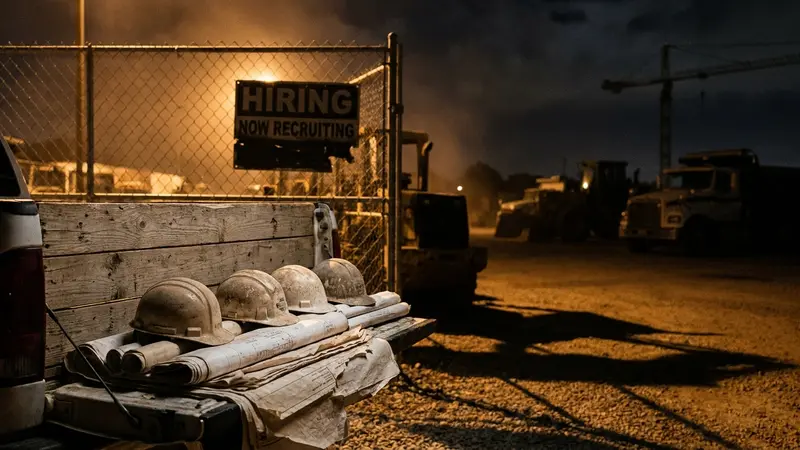
Labor is the constraint. Citing Energy Safety Canada data, the report says the energy service sector will add 11,710 jobs by 2035, with shortages possible as early as next year. Wages are already rising. Enserva CEO Gurpreet Lail said data centres in Alberta and Saskatchewan, nuclear projects in Ontario and pipeline construction in B.C. are all chasing the same talent. She said developers like Meta are offering paycheques and perks that were previously “unheard of” among Canadian businesses.
Bradley Fedora, president and CEO of Trican Well Service, said the prospect of “hyperinflation” in labor and material costs is what scares him most. He said the crunch is sharpest now for drivers and mechanics, and that early training investment is the answer. Thomas Alford, president of completion and production services at Precision Drilling, said it can take up to eight years to train a competent drill rig staffer, and that workers need consistent work to get there.
What It Means for Subcontractors
- Drivers and mechanics are the tightest trades now. Trucking, hauling and equipment maintenance firms serving Western Canadian wellsites should expect the earliest wage pressure, since Trican’s CEO named these roles as the current pinch point.
- Budget for wage inflation in 2027 bids. The report says shortages could arrive as early as next year and wages are already rising. Build escalation language into multi-year service agreements rather than locking flat labor rates.
- Plan for a long training runway. Alford’s eight-year estimate for a competent rig staffer means crews cannot be built on short notice. Contractors expecting gas-weighted work tied to LNG should start apprentice and trainee intake now.
- Expect competition from outside oil and gas. Data centres in Alberta and Saskatchewan, nuclear work in Ontario and B.C. pipeline construction draw on the same trades. Electrical, mechanical and pipefitting crews are most exposed to poaching. Review retention pay, rotation schedules and perks against what those projects offer.
- Position for gas drilling growth. The 7% natural gas increase is the largest in the forecast. Service companies with gas-capable crews and equipment are best placed, though the upside depends on LNG projects actually advancing.