Duke Energy Signs 2.7 GW in New Data Center Agreements, Total Pipeline Hits 15.4 GW
According to Utility Dive, Duke Energy announced it has signed 2.7 GW of new energy service agreements with data centers since its February earnings report, pushing total executed data center agreements to 7.6 GW as of its Q1 2026 earnings call on May 5, 2026.
A Generation-Defining Build Cycle
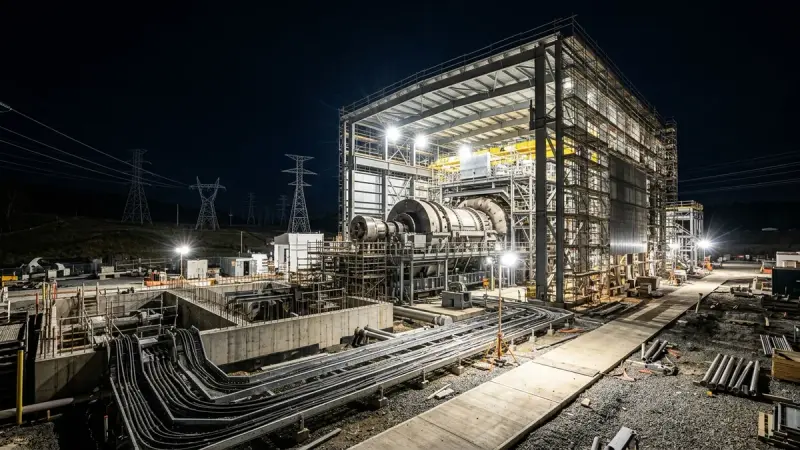
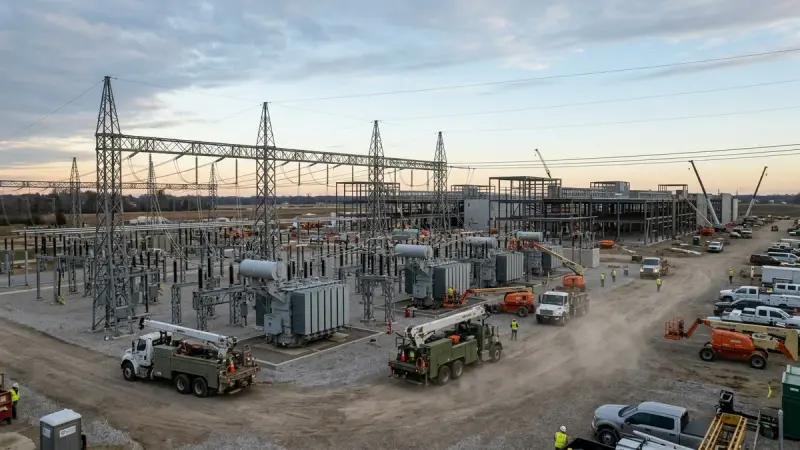
Duke Energy President and CEO Harry Sideris told analysts that “nearly two-thirds” of those 7.6 GW in signed agreements are already under construction. The company also reported a high-confidence, late-stage pipeline of an additional 7.8 GW in prospective data center projects, bringing its total data center pipeline to 15.4 GW.
Duke’s broader generation expansion program is targeting roughly 14 GW of new capacity across its service territory by 2031. The utility serves approximately 8.7 million customers across North Carolina, South Carolina, Florida, Indiana, Ohio, and Kentucky.
First quarter 2026 adjusted earnings came in at $1.93/share, up from $1.76/share in Q1 2025, with electric utilities and infrastructure segment income reaching $1.4 billion versus $1.3 billion a year prior. Duke reaffirmed its 2026 earnings guidance of $6.55-$6.80/share and a 5-7% long-term earnings-per-share growth rate through 2030.
Sideris described the moment plainly: “We recognize that we’re in a once in a generation build cycle.”
What It Means for Subcontractors
- Civil and site prep contractors serving Duke’s footprint in the Carolinas, Florida, Indiana, Ohio, and Kentucky should expect sustained demand. With nearly two-thirds of 7.6 GW already under construction, site work, grading, and utility corridor projects are active now, not on the horizon.
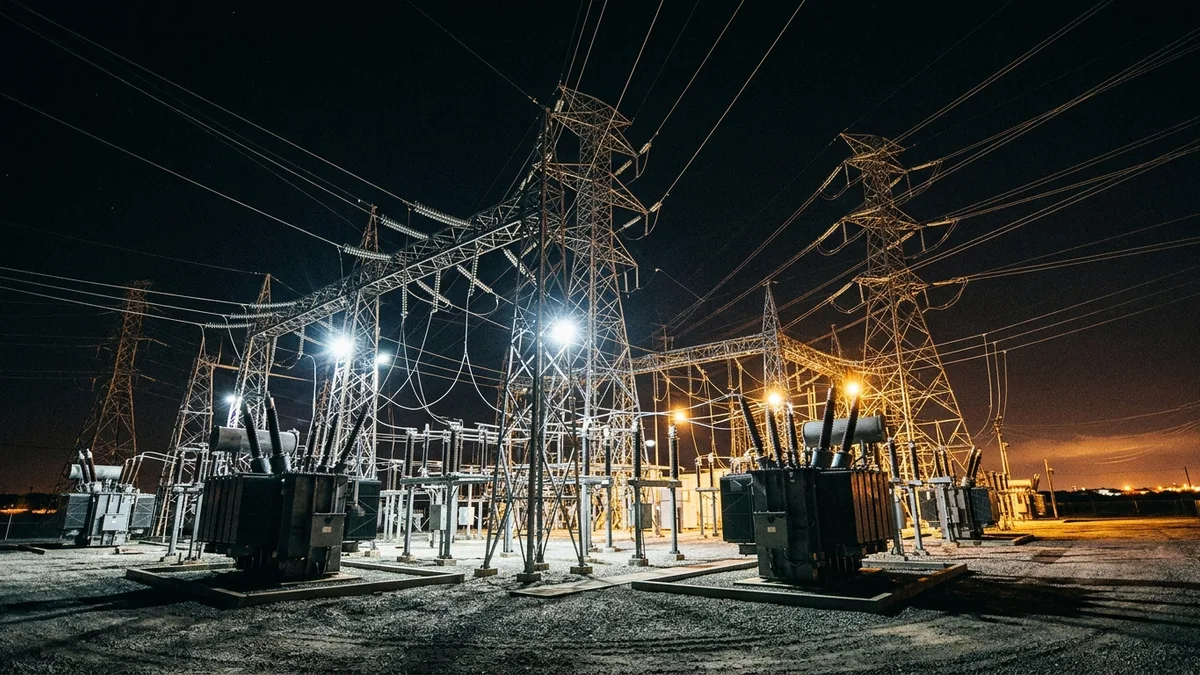
- Electrical and mechanical subcontractors specializing in high-voltage interconnection, switchgear installation, cooling systems, and generator commissioning are well-positioned. Data center builds at this scale require dense, specialized field crews.
- Staffing and labor subcontractors should note that Duke flagged this as a multi-year cycle running through at least 2031, giving workforce planning firms a long runway for crew mobilization contracts.
- Contract terms matter. Duke has structured its customer agreements to include minimum demand provisions, credit support, and termination charges. Subcontractors working downstream of these projects should push for similar protections in their own agreements, since project continuity is tied to whether data center customers actually build and operate as planned.