Dry vs. Wet Screening: How to Pick the Right Method for Your Aggregate Operation
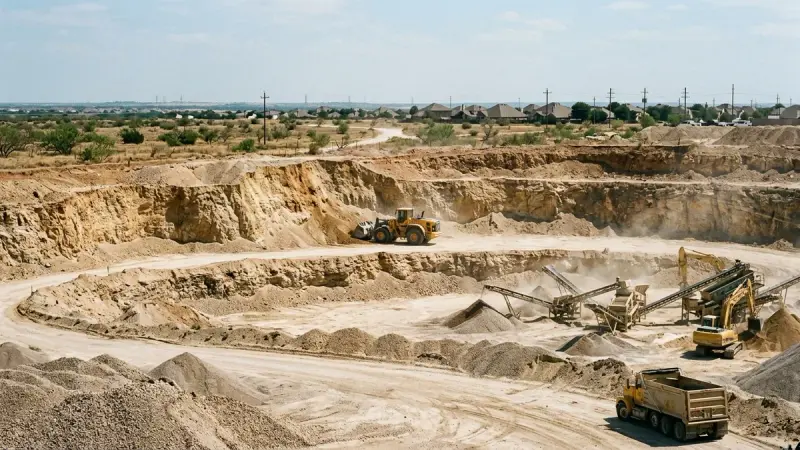
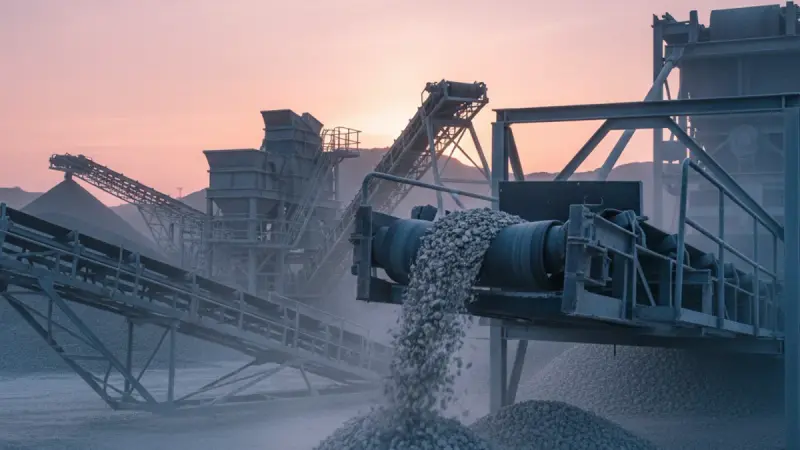
According to Pit & Quarry, the choice between dry and wet screening methods depends on material characteristics, water availability, and how much operational complexity a producer is willing to manage. Dry screening suits free-draining materials like crushed stone and gravel, while wet screening handles sticky, clay-bound materials that would blind dry screen media and kill throughput.
What It Means for Subcontractors
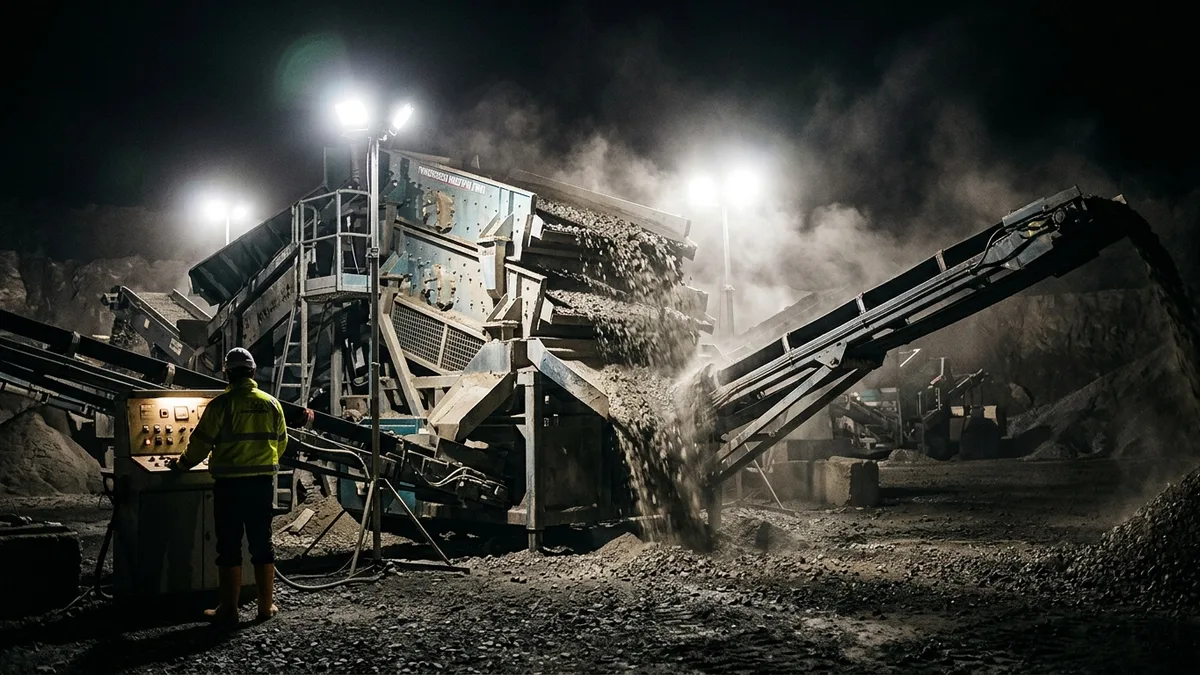
- If you’re running portable screening equipment on sites with restricted water access, dry screening reduces setup complexity by eliminating pumps, spray bars, and settling systems.
- Wet screening jobs introduce permitting risk. Water discharge and runoff may require permits from state environmental regulators, adding time and cost before you can mobilize.
- Wet screening setups accelerate wear on screen components from constant slurry contact, so budget for higher maintenance costs and shorter media life on those contracts.