Double E Pipeline Eyes Permian Expansion as Natural Gas Demand Grows
According to Natural Gas Intelligence, Double E Pipeline is conducting an open season to gauge shipper interest in expanding its natural gas pipeline system in the Permian Basin, a move that could trigger new infrastructure work across West Texas.
Market Impact
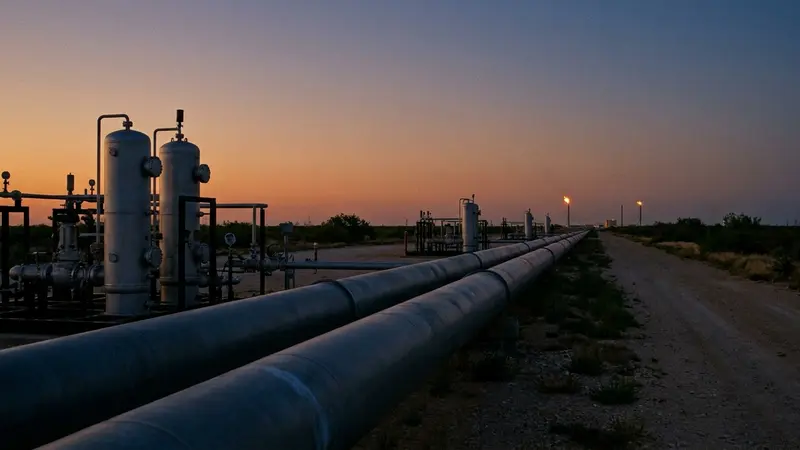
Double E’s existing system runs roughly 135 miles from the Delaware Basin in southeastern New Mexico and West Texas to the Waha Hub, one of the most active natural gas trading points in the country. The pipeline came online in late 2021 and has operated against a backdrop of rapidly growing Permian gas production, which has repeatedly strained takeaway capacity out of the basin.
Waha Hub prices have suffered repeated bouts of negative pricing in recent years as gas supply outpaced pipeline space, putting pressure on producers and midstream operators alike to secure additional egress. An expansion of Double E’s system would add capacity on a corridor that connects directly to downstream markets. The outcome of the open season will determine whether the project moves into development, but even a successful open season typically puts engineering, procurement, and construction activity on the horizon within 12 to 24 months.
What It Means for Subcontractors
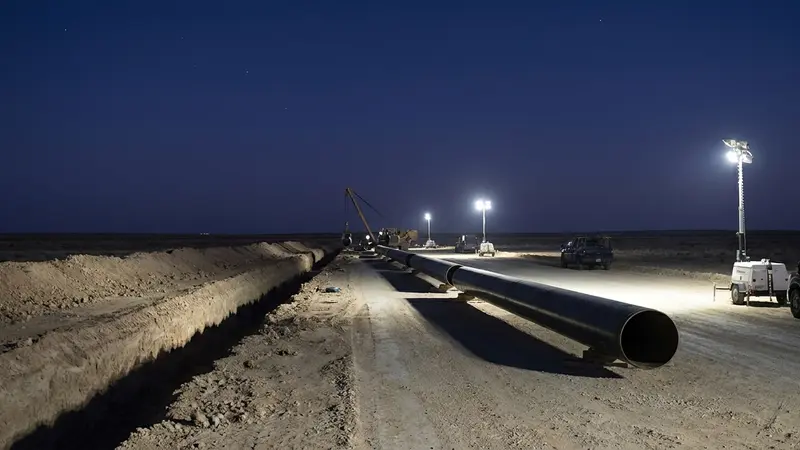
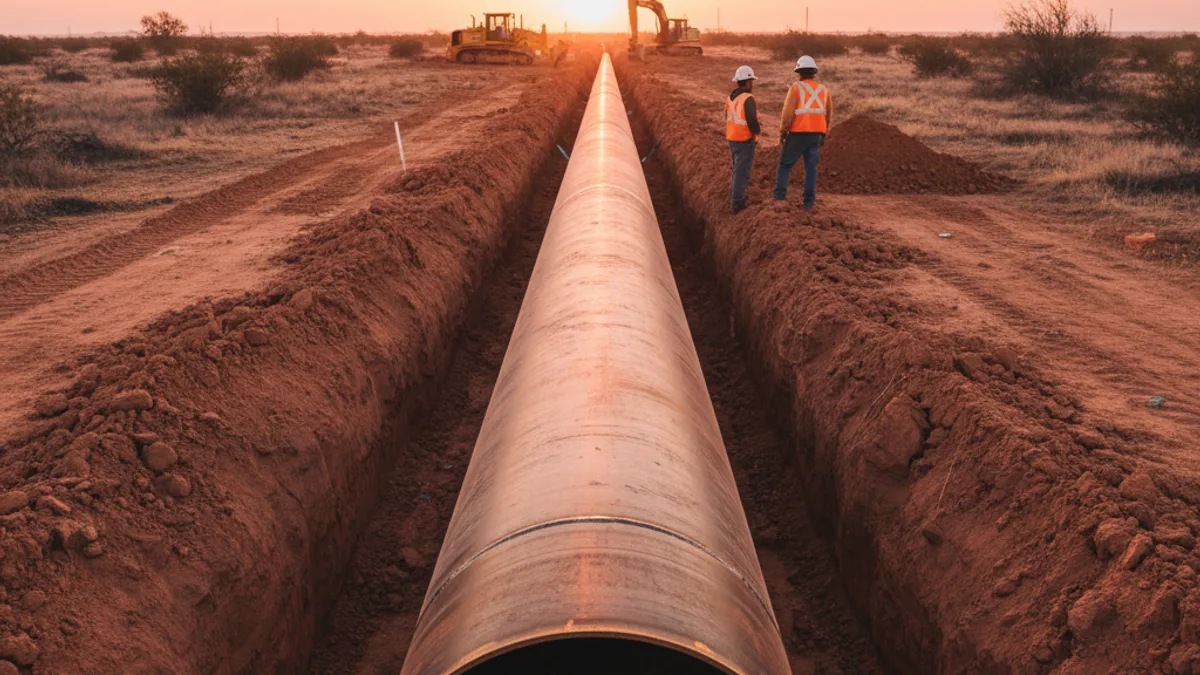
- Pipeline construction and expansion projects in the Permian generate significant demand for welding, hydrostatic testing, coating, cathodic protection, and right-of-way crews. A Double E expansion would put those scopes in play across the Delaware Basin.
- Compression and metering station work typically accompanies capacity expansions. Instrumentation and electrical subcontractors should monitor this project for bid opportunities.
- Open seasons are an early signal, not a contract award. Field service companies should track the project now and position with prime contractors before engineering firms lock in their preferred vendor lists.
- Permian takeaway constraints directly affect drilling activity. More pipeline capacity tends to support sustained producer spending, which keeps wellsite service demand stable across the basin.