Diamondback's drilling efficiency gains signal tighter competition for field services
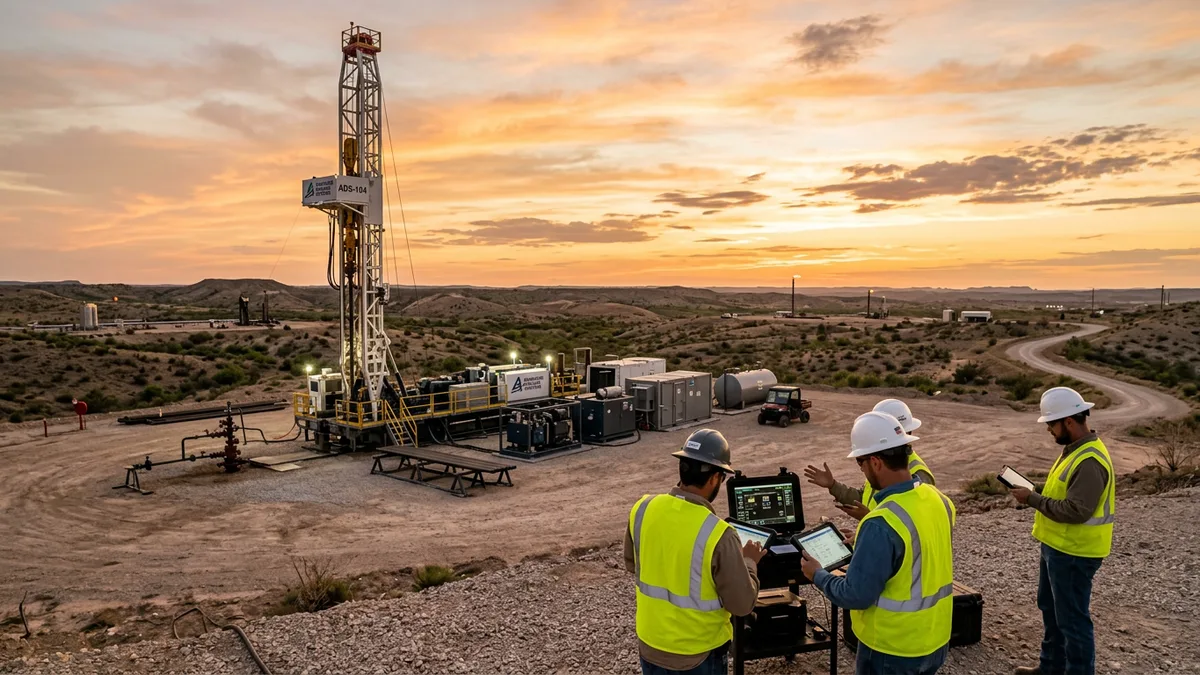
According to Permian Basin Oil & Gas Magazine, Diamondback Energy achieved record drilling efficiency in 2025, completing 463 wells with just 15 drilling rigs compared to the 22 rigs the company would have needed for the same workload two years earlier. CEO Kaes Van’t Hof called these efficiency gains “permanent” in a February letter to stockholders.
Background
Diamondback’s operational improvements come after the Midland-based company doubled in size through its 2024 acquisition of Endeavor Energy. The company drilled wells with average lateral lengths of 12,100 feet and completed 503 wells total in 2025, according to Permian Basin Oil & Gas Magazine.
The efficiency push helped Diamondback maintain production of 497,200 barrels per day of oil in 2025 while keeping capital expenditures at $3.5 billion. For 2026, the company forecasts oil production between 500,000 and 510,000 barrels per day with capex rising to $3.6 billion to $3.9 billion.
Diamondback plans to allocate $150 million of its 2026 budget toward developing Barnett and Woodford shale zones in the deepest parts of the Midland Basin, where the company controls nearly 200,000 acres. These deeper zones show higher gas-oil ratios but stronger oil recovery compared to core Midland Basin drilling targets.
Analysis
Diamondback’s 32% reduction in rig requirements represents more than operational efficiency. It signals a fundamental shift in how major operators approach field development, with direct implications for the service company ecosystem.
The math is stark: fewer rigs drilling the same number of wells means less work for drilling contractors, rig hands, and support services. But the wells themselves are getting longer and more complex, creating different types of demand. Those 12,100-foot average laterals require more sophisticated completion work, specialized equipment, and experienced crews.
This efficiency drive isn’t unique to Diamondback. Across the Permian, operators face pressure to maximize returns as investors demand disciplined capital allocation. The companies that survived the 2020 downturn learned to do more with less, and they’re not reversing course despite higher commodity prices.
The shift toward deeper development zones like the Barnett and Woodford shales adds another wrinkle. These targets require different drilling approaches, specialized completion techniques, and often longer development timelines. That creates opportunities for service companies with the right technical capabilities, even as overall activity levels plateau.
What It Means for Subcontractors
-
Prepare for consolidation pressure - Major operators will demand the same efficiency gains from their service providers. Companies that can’t adapt to faster drilling schedules and tighter cost structures will lose market share to those that can.
-
Invest in deeper zone capabilities - Diamondback’s $150 million commitment to Barnett and Woodford development signals growing activity in these challenging formations. Service companies with experience in deeper, higher-pressure environments will command premium pricing.
-
Focus on completion services over drilling support - With fewer rigs running but longer laterals being completed, the real growth opportunity lies in frac services, completion tools, and post-drill optimization rather than traditional drilling support.
-
Standardize operations for speed - Operators like Diamondback aren’t just drilling faster by accident. They’ve standardized processes, eliminated inefficiencies, and expect the same from their contractors. Service companies need documented, repeatable procedures to compete.
-
Expect pricing pressure on commodity services - Basic oilfield services will face continued margin compression as operators optimize their supply chains. The path to profitability lies in specialized, high-value services that operators can’t easily replace or commoditize.