CPWR Panel: Build a "Sphere of Safety" to Cut Struck-By Injuries
Contractors can cut struck-by injuries by planning for hazards beyond the immediate task, panelists said at a Nov. 4 CPWR webinar, Construction Dive reports.
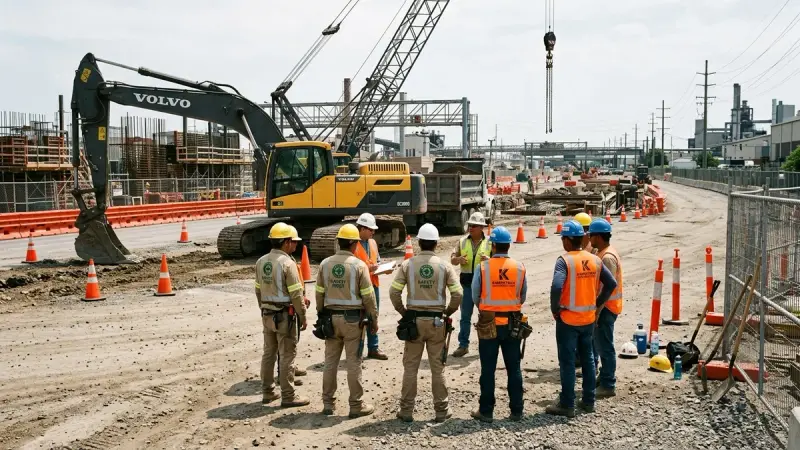
The panelists described a “sphere of safety”: looking past the task at hand to loose material on the floor above, a machine’s blind spots and a load that could shift on the far side of a trailer. They also stressed reassessing those risks as work shifts.
Market Impact
Struck-by incidents accounted for about 17% of construction fatalities and 21.5% of nonfatal injuries from 2011 to 2021, according to NIOSH data cited by Construction Dive. Federal data folds struck-by deaths into broader categories. In 2024, the most recent year available, the Bureau of Labor Statistics classified 161 of the industry’s 1,034 fatalities as contact incidents and 244 as transportation incidents.
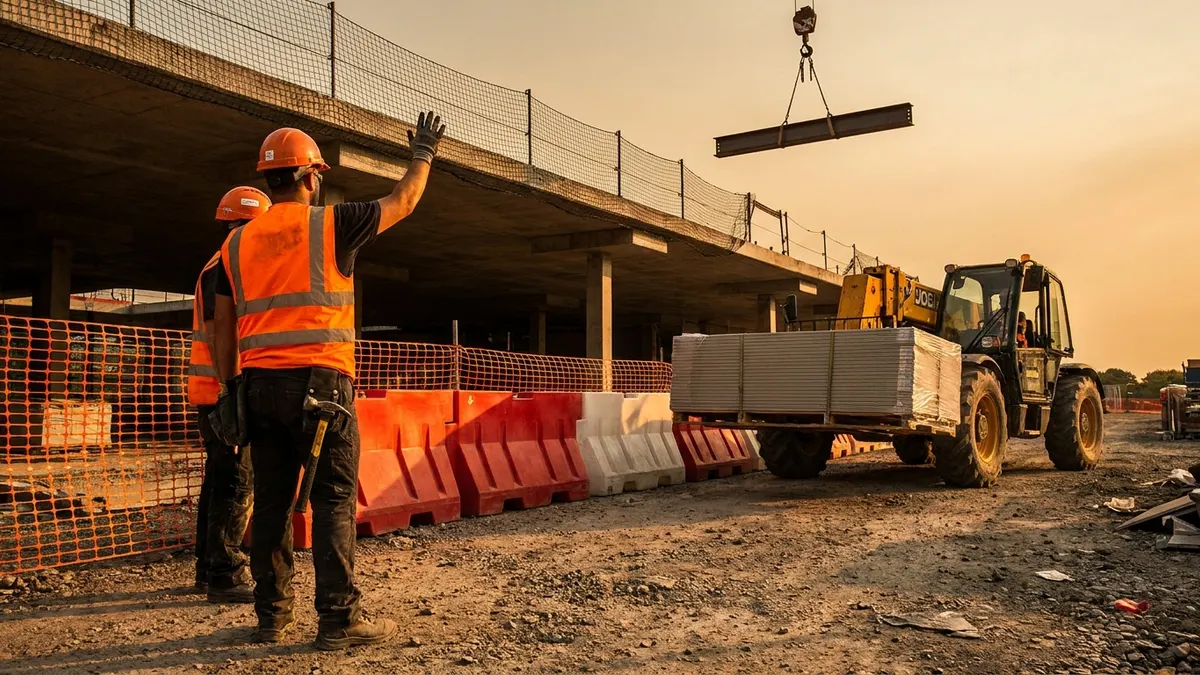
“Just because things are neatly stacked doesn’t necessarily mean they can’t fall over,” said Travis Weber of Haselden Construction. He recommended tethering tools, covering openings or installing debris netting, securing stored materials against wind and keeping workers off the far side of a trailer during unloading. Those practices are part of the Associated General Contractors of Colorado’s Stop the Drop campaign.
Reese Fortin of Sundt Construction described portable barriers that kept vehicles away from a lunch tent on a Texas data center project with DPR Construction. Sundt also uses fencing to mark pedestrian routes and clips to hold drywall to framing when sheets are stored upright. On solar jobs, it runs autonomous pile drivers with cameras and collision avoidance technology that stops the equipment if someone enters its operating zone.
What It Means for Subcontractors
- Overhead and storage check (riggers, drywall, framing, steel): Before each shift, confirm tools are tethered, floor openings are covered or netted, and stored material is secured against wind. Drywall stored upright should be clipped to framing, as Sundt does.
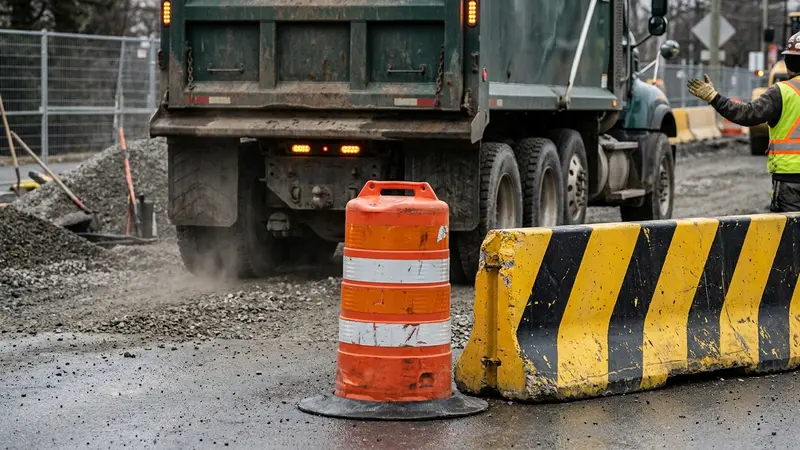
- Unloading rule (delivery, laydown, civil crews): Set a written exclusion zone on the far side of any trailer being unloaded, and brief drivers and crews on it before the first lift.
- Designated walkways (all trades on equipment-heavy sites): Follow Laborers’ Health and Safety Fund of North America’s Travis Parsons and sketch where workers, delivery trucks and equipment will go. Mark crossings, eliminate backing where possible, and re-brief subcontractors and drivers whenever the layout changes. Fencing or portable barriers can separate pedestrian routes, as on the Texas data center job.
- Pre-move walk (operators and spotters): Per Jay Hocutt of United Cleanup Oak Ridge, the operator and spotter should walk the route together, identify blind spots and agree on stop signals before equipment moves. He favors radios so spotters can stand farther from the machine.
- Written spotter stop-work rule: Adopt Hocutt’s trigger: if communication drops or someone unexpectedly enters the work zone, stop. Revisit whether a spotter is needed at every briefing and whenever conditions change.
- Reward the stop: United Cleanup gives workers who call a halt a recognition coin. Hocutt said, “We actually celebrate when somebody stops work because that’s what we want them to do.”
- Robotic equipment on solar sites (pile driving, civil): Sundt marks off robotic work areas with flagging and signs and adds fencing where conditions warrant. Build those zones into the site plan before autonomous rigs arrive.