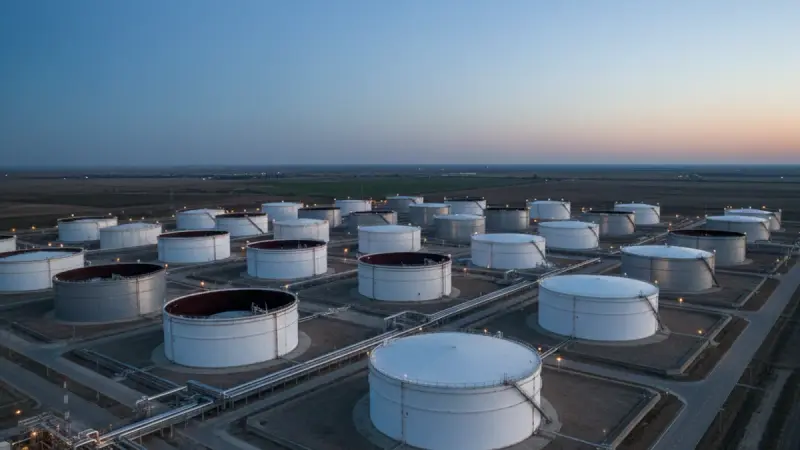
Chinese Oil Import Surge Points to Rising Energy Demand and Higher Service Work
According to OilPrice.com, China boosted its oil imports by nearly 16% in early 2026, marking a significant increase in the world’s largest oil importer’s energy consumption.
Market Impact
The substantial uptick in Chinese oil demand comes at a time when global energy markets remain volatile. China’s import surge indicates stronger economic activity and energy needs in the world’s second-largest economy. This increased demand typically translates to higher global oil prices and more active drilling and production across major oil-producing regions.
Higher Chinese imports also suggest refineries are ramping up operations, which often correlates with increased maintenance work and infrastructure projects to support expanded capacity.
What It Means for Subcontractors
- Day rates could climb - Increased global oil demand from China typically pushes prices higher, making marginal wells profitable again and driving more drilling activity across US shale plays
- Maintenance work may increase - Rising demand often means refineries and processing facilities run harder, creating more opportunities for turnaround work, equipment services, and facility maintenance contracts
- Supply chain pressure - Higher Chinese imports can tighten global equipment and materials markets, potentially leading to longer lead times and higher costs for tools, pipes, and other field supplies
- Plan for project acceleration - Oil companies may fast-track development projects to capitalize on stronger demand signals, requiring subcontractors to scale up crews and equipment more quickly than anticipated
The import surge reinforces the global nature of energy markets, where demand in Asia directly impacts field work opportunities across North American basins.