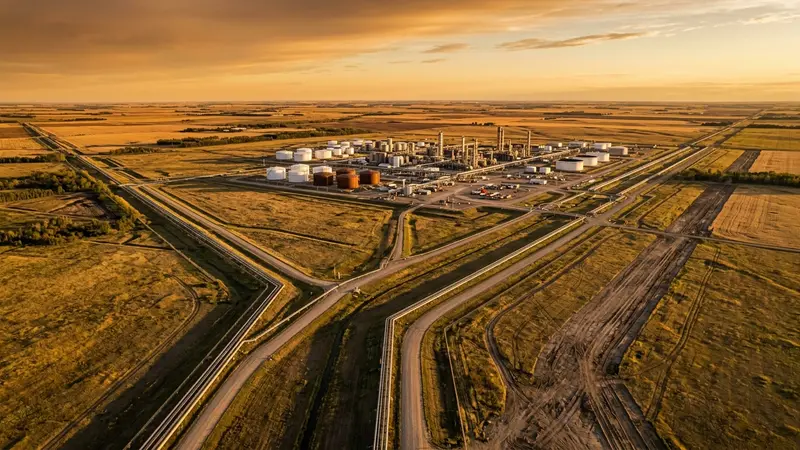
Canada Eyes Overhaul of Energy Project Approvals as Bottlenecks Stall Billions in Work
According to The Hub, Canada is facing serious pressure to overhaul the regulatory framework governing energy project approvals, with critics arguing the current system has made it nearly impossible to build major infrastructure at a competitive pace. The push reflects growing frustration from industry and government alike that approval timelines, environmental review requirements, and jurisdictional overlap have turned project development into a years-long gauntlet, even for projects with broad economic support.
Background
Canada’s energy approval process has drawn sustained criticism from oil and gas producers, pipeline developers, and construction contractors for well over a decade. The federal Impact Assessment Act, introduced under Bill C-69 in 2019 and sometimes called the “no more pipelines bill” by its opponents, significantly expanded the scope of federal review for major projects. While the Supreme Court of Canada ruled parts of the law unconstitutional in 2023, the underlying regulatory complexity remains largely intact.
The result has been a project pipeline that is, in many cases, frozen. Trans Mountain aside, no major new oil export pipeline has been built in Canada in years. LNG Canada’s first phase in British Columbia is nearing completion, but it took extraordinary effort and a favorable regulatory window to get there. Smaller midstream and gathering projects have fared somewhat better, but even routine expansions can face multi-year permitting delays.
According to The Hub’s reporting, there is now a serious policy conversation underway about rewriting the approval process from the ground up. That conversation has gained urgency in a political environment where energy sovereignty and economic competitiveness have moved to the center of Canadian public debate, partly in response to trade pressures from the United States and a broader reckoning about the country’s ability to develop its own resources.
Analysis
The timing of this push matters. Canada is watching the United States accelerate permitting reform and expand LNG export capacity, while Canadian producers sit on some of the largest hydrocarbon reserves in the world with limited routes to tidal water. Alberta’s oil sands produce roughly 3.3 million barrels per day, but takeaway capacity constraints continue to cap what producers can realistically move and at what price.
If Ottawa moves forward with meaningful approval reform, the downstream effect on construction and field services activity could be substantial. Analysts have estimated that Canada has hundreds of billions of dollars in energy and infrastructure projects that are either stalled or have not been sanctioned due to regulatory uncertainty. Pipelines, LNG facilities, petrochemical plants, and associated gathering and compression infrastructure all represent potential work that simply has not materialized.
The political will to act appears stronger now than it has been in years. The federal Liberals, badly weakened and eventually replaced, made regulatory burden a campaign issue late in their tenure. The current political environment, regardless of which party holds power, has shifted toward a more pro-development posture. Provinces like Alberta and Saskatchewan have been pushing Ottawa for years to streamline approvals and reduce duplication between federal and provincial review processes.
That said, reform is not a guarantee of a construction boom. Even if approval timelines shrink from seven or eight years to two or three, major capital projects still require sustained commodity prices, available financing, and labor and materials capacity. The Canadian construction sector, particularly in skilled trades, has its own capacity constraints that would need to be addressed alongside regulatory changes.
For US-based subcontractors with Canadian operations or the ability to mobilize north of the border, the story is worth watching closely. Alberta and British Columbia have historically drawn American field service companies during peak activity cycles, and a new wave of project sanctions could create demand that the domestic Canadian workforce cannot absorb alone.
What It Means for Subcontractors
- Pipeline and midstream contractors should track this closely. Regulatory reform, if it moves forward, could unlock project sanctions that have been on hold for years. Companies that position early, including pre-qualifying with major operators and EPCs, will be better placed to capture that work.
- Don’t front-run the cycle. Regulatory reform takes time to translate into signed contracts. Monitor for actual project announcements and final investment decisions before making major capacity or staffing commitments in Canada.
- Labor planning matters now. If multiple large projects move toward construction simultaneously, competition for welders, pipefitters, heavy equipment operators, and instrumentation crews will be intense. Subcontractors with established Canadian labor rosters or union relationships in Alberta and BC will have a significant advantage.
- US subcontractors with cross-border capability should reassess their Canadian strategy. A more permissive approval environment in Canada could produce a multi-year construction cycle similar to the shale build-out in the Permian Basin, concentrated in a narrower geography and timeline.
- Watch for provincial signals first. Alberta and BC tend to move faster than Ottawa. Provincial regulatory changes or project announcements from Crown corporations and major operators like TC Energy, Enbridge, and Pembina will be leading indicators of where the real work is heading.