Bengal Energy Targets Shut-In Cooper Basin Well With Fully Funded Production Test
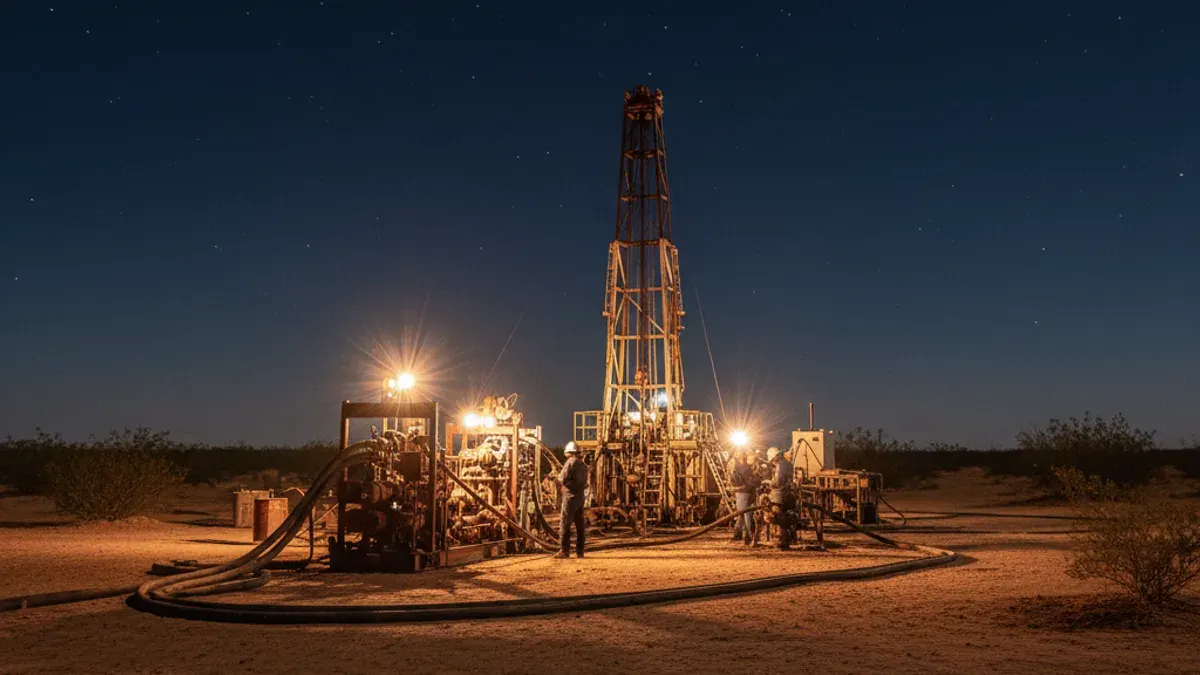
According to Drilling Contractor, Bengal Energy has signed a non-binding letter of intent with an unnamed Australian energy services company to fund and carry out a production test on its Ramses 2 oil well in the Cooper Basin, Queensland, under a deal that would fully carry Bengal on costs through development.
What’s at Stake in the Cooper Basin
The Ramses 2 well targets the Jurassic Poolowanna formation and has been shut in since a 2007 drill stem test returned an extrapolated rate of 588 bbl/d of 37-degree API oil. Under the proposed agreement, the investor funds the production test entirely. If results are positive, the same investor would also fund completion, equipping, and tie-in for production.
Bengal retains 100% ownership and operatorship of the PL 188 license throughout. On the revenue side, the investor takes 75% and Bengal takes 25% until costs are recovered, after which production is split 50/50. The deal structure is notable because it puts zero capital at risk for Bengal while preserving full operational control, a model increasingly used to unlock stranded or deferred assets when operators are capital-constrained.
What It Means for Subcontractors
While this is an Australian project, the deal structure and activity type signal opportunities relevant to field service companies tracking similar carried-interest plays globally and in North American basins.
- Well intervention and testing specialists are the first call on a production test for a long-shut-in well. Companies with coiled tubing, wireline, and downhole testing capabilities should watch for similar reactivation campaigns in mature North American basins like the Permian, DJ, and Anadarko.
- Completion and workover contractors stand to benefit if the test succeeds. The agreement explicitly includes completion and equipping of the well as a next phase, meaning a second round of service contracts follows a positive result.
- Surface equipment and tie-in crews are also in play. Bringing a shut-in well to production means flowlines, separators, and production facilities work, especially relevant for small-pad operators using mobile or rental equipment.
- Watch for carried-deal structures in your market. When operators use third-party funding to reactivate dormant wells, project timelines can move faster than traditional budget cycles. Subcontractors who stay in contact with operators running these agreements can get ahead of procurement before work is formally tendered.