AUC Approves $2.9B Yellowhead Gas Pipeline, Construction Starts Immediately in Alberta
Canadian Utilities Ltd. announced that the Alberta Utilities Commission has granted final approval for its Yellowhead natural gas pipeline project, with construction set to begin immediately, according to a Canadian Press report via BOE Report.
Market Impact
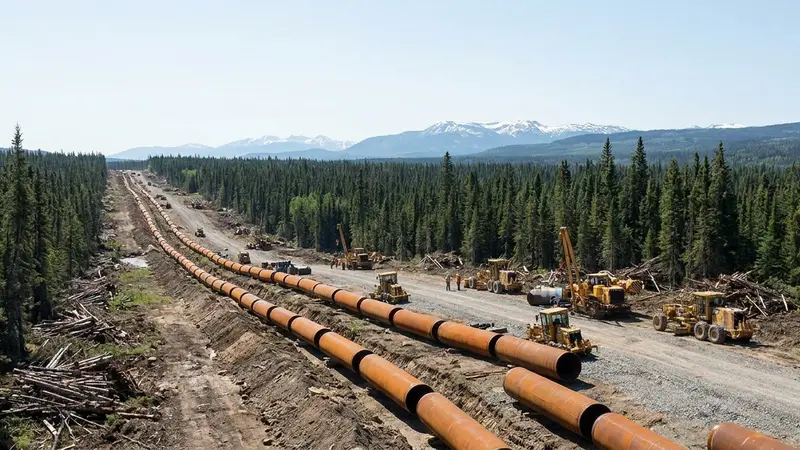
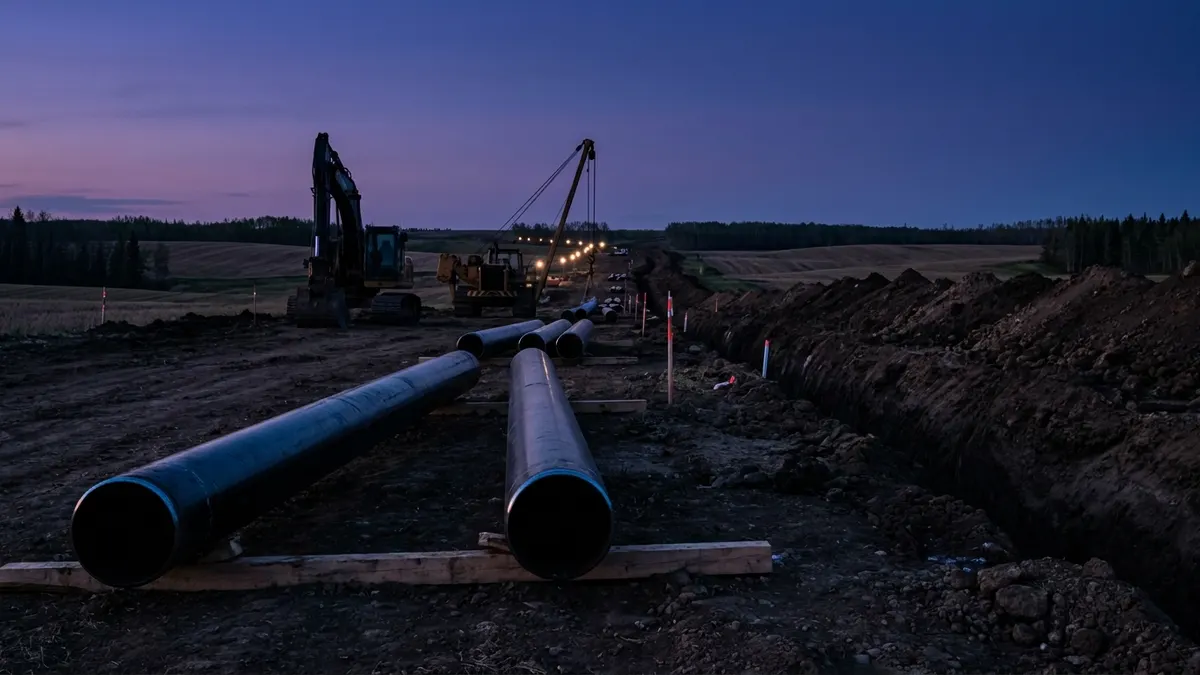
The $2.9-billion project calls for a 235-kilometer natural gas transmission pipeline running from the Peers area in west-central Alberta to the Fort Saskatchewan region, plus one compressor station. Once in service, the line is expected to deliver more than 1.1 billion cubic feet of natural gas. Canadian Utilities, a subsidiary of Atco Ltd., says all major pipeline and compressor contracts, including supply and materials packages, have already been awarded. The company estimates the build will support about 2,000 direct construction jobs. Canadian Utilities and Atco trade on the TSX under CU and ACO.X, respectively.
With contract awards already finalized and AUC approval now in hand, the project moves straight from regulatory review into active construction, a compressed timeline that leaves little lag between approval and mobilization.
What It Means for Subcontractors
- Pipeline construction crews, welders, and civil contractors working in west-central Alberta between Peers and Fort Saskatchewan should confirm mobilization timelines directly with the awarded prime contractors now, since major packages are already locked in and construction is starting immediately.
- Because supply, materials, and compressor contracts have already been awarded, subcontractors should focus on securing second-tier work such as site prep, trenching support, equipment hauling, and pipeline coating rather than bidding on primary EPC packages.
- E&I and mechanical contractors should watch for compressor station buildout activity at the terminus point, where instrumentation, electrical tie-ins, and mechanical installation work typically follow initial civil and pipeline construction phases.
- With roughly 2,000 direct construction jobs tied to this build, local labor suppliers, camp and catering services, and equipment rental companies in the Peers-to-Fort Saskatchewan corridor should position now for near-term demand as crews mobilize.
- Companies with existing safety certifications and Alberta-specific compliance documentation should have paperwork ready, since an immediate construction start typically means contractors need to onboard quickly with minimal ramp-up time.