Alberta premier links Iran conflict to pipeline push as oil prices jump
According to BOE Report, Alberta Premier Danielle Smith is using rising oil prices from Middle East conflict to advocate for a new pipeline connecting the province’s oil reserves to West Coast shipping lanes.
Market Impact
Global oil prices have jumped following American-Israeli attacks on Iran over the weekend, creating shipping disruption concerns around the Strait of Hormuz. Smith said any disruption at the key Persian Gulf chokepoint underscores why Alberta needs pipeline access to Pacific markets.
The price volatility could benefit Alberta’s budget outlook. With one month left in the current fiscal year, Smith noted the province’s expected $4.1 billion deficit could shrink if oil prices stay elevated. Her United Conservative government had projected a $9.4 billion deficit for the coming year based on sluggish oil prices last week.
Smith emphasized that continued uncertainty demonstrates “the world and Canada’s trading partners need to have a stable source of supply.”
What It Means for Subcontractors
-
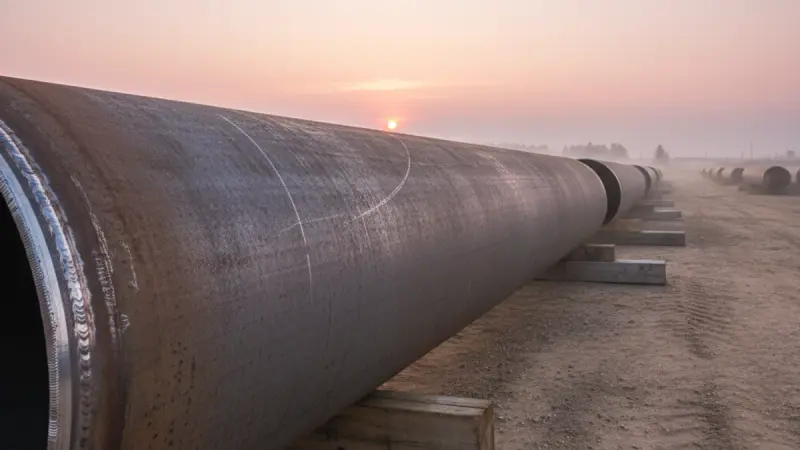
Pipeline construction opportunity: New West Coast pipeline infrastructure would create multi-year construction contracts for civil, welding, and environmental services companies
-
Budget timing advantage: Alberta’s improved fiscal position from higher oil prices could accelerate infrastructure spending and regulatory approvals for energy projects
-
Supply chain planning: Middle East tensions highlight the value of North American energy security, potentially driving more domestic drilling and infrastructure investment
-
Risk management: Subcontractors should monitor oil price volatility as it directly impacts client budgets and project timing across Western Canada’s energy sector
The geopolitical backdrop gives Alberta’s pipeline advocates new ammunition, but actual project approvals and construction timelines remain dependent on federal regulatory processes and Indigenous consultations.