Alberta-Ottawa Methane Deal Reportedly Close as April 1 Deadline Approaches
According to the Calgary Herald, negotiations between the Alberta government and Ottawa over a coordinated methane reduction framework are described as “very close” to a deal, with an April 1 deadline creating pressure on both sides to finalize terms.
What’s at Stake in the Alberta-Ottawa Talks
Methane regulation has been a friction point between Alberta and the federal government for years. Ottawa’s federal methane rules, administered through Environment and Climate Change Canada, set targets to cut oil and gas methane emissions 75% below 2012 levels by 2030. Alberta has pushed to have its own equivalent regulations recognized in place of the federal framework, arguing its rules are comparably stringent and better suited to local conditions.
An equivalency agreement would mean Alberta-based operators follow provincial rules rather than the federal ones. For field service companies working in the province, that distinction matters. Provincial and federal inspection regimes, reporting timelines, and compliance thresholds don’t always line up, and which rulebook governs the work affects everything from equipment specifications to leak detection schedules.
The Calgary Herald reported the deadline is April 1, though no final terms were publicly available at the time of publication.
What It Means for Subcontractors
- If an equivalency deal is finalized, Alberta operators will likely point subcontractors to provincial methane standards rather than federal ones. Know which rules apply to your scope of work.
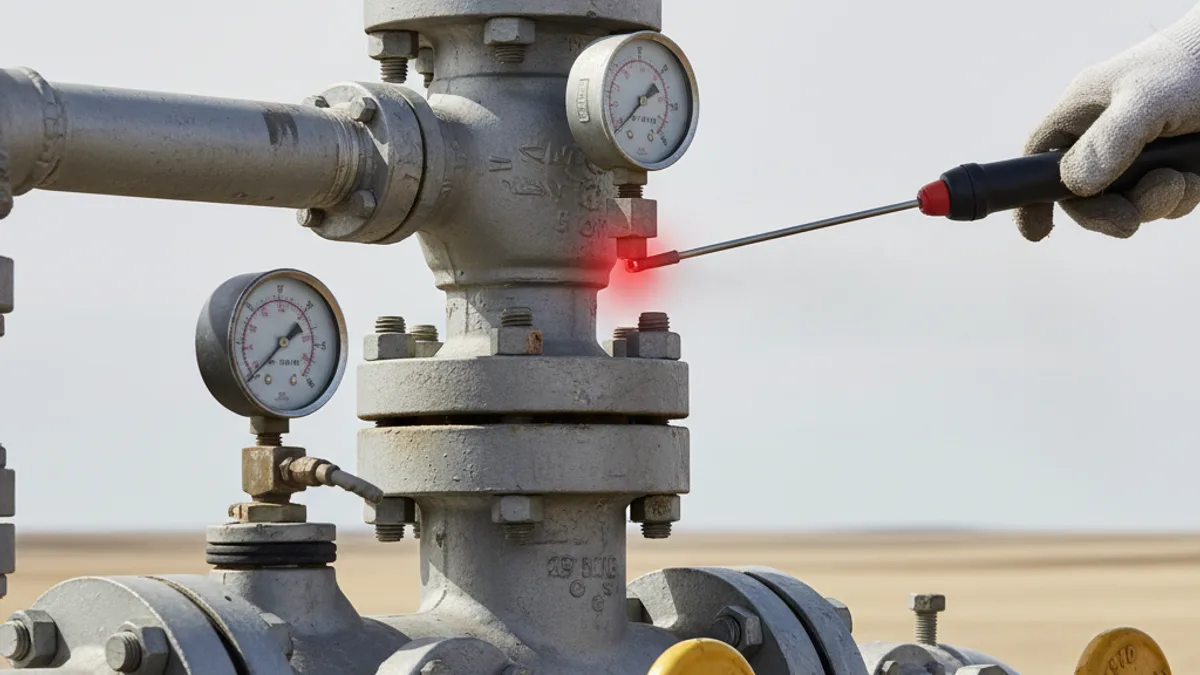
- Leak detection and repair (LDAR) contractors should monitor whether a new agreement changes inspection frequencies or approved detection methods under Alberta’s rules.
- Instrumentation, pneumatics, and compression subcontractors may see increased demand as operators move to comply ahead of the 2030 targets regardless of which regime governs.
- Watch for updated operator contract language. When regulatory frameworks shift, companies often revise subcontractor compliance requirements and liability clauses to match.
- Canadian operations only: this story is Alberta-specific and does not directly affect US field service companies, but US-based firms with Canadian divisions should flag it for their Alberta operations teams.
Full details of the agreement were not publicly available at time of publication. FieldNews will update this brief when terms are confirmed.