Aker BP and Armada Deploy Modular Edge Data Center on Offshore Drilling Rig
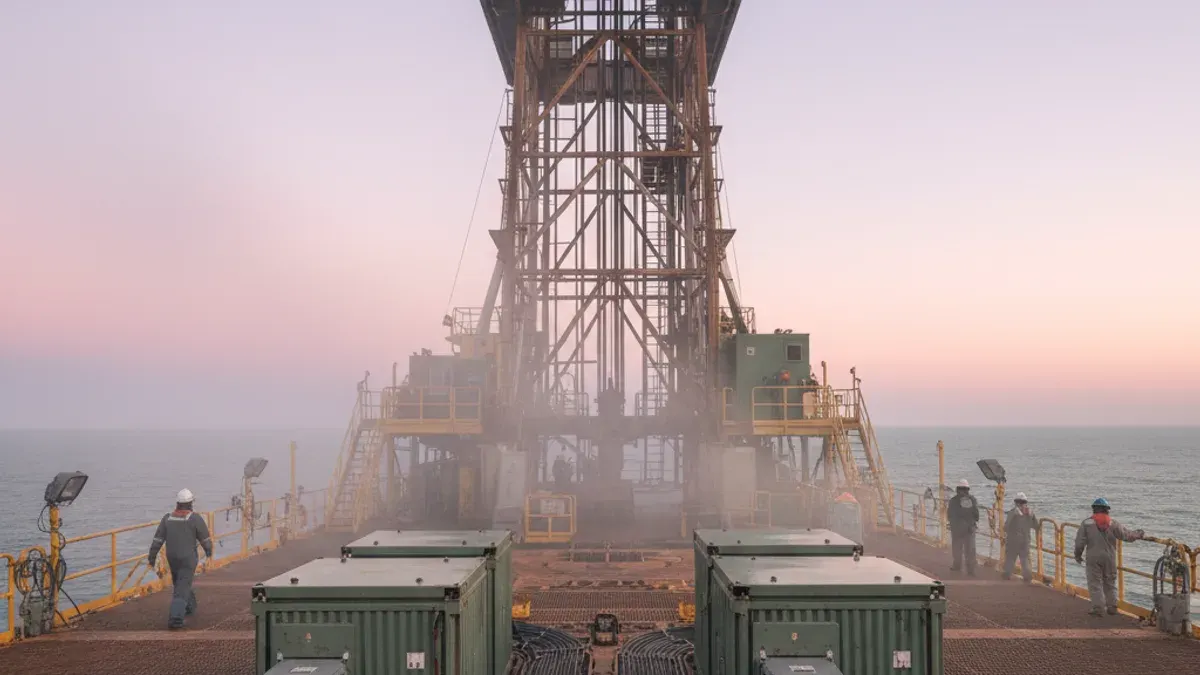
According to Drilling Contractor, Aker BP has signed an agreement with technology company Armada to deploy a modular, offshore-rated data center on a drilling rig on the Norwegian Continental Shelf, enabling real-time processing of drilling data directly at the wellsite.
What’s Being Built and Why It Matters
Armada’s Galleon unit is a modular data center designed specifically for offshore conditions. The system addresses a persistent problem in offshore drilling: slow or unreliable connectivity to onshore cloud infrastructure delays data analysis and decision-making when it matters most.
With the Galleon unit on board, drilling teams can run AI models locally to predict equipment failures, reduce unplanned downtime, and keep operations running during connectivity outages. The deployment also replaces the patchwork of IT and operational technology systems common on offshore rigs with a single, standardized edge computing architecture, simplifying cybersecurity and compliance while cutting the need for offshore service visits.
The initial installation is a single-rig reference deployment, which Aker BP and Armada plan to use as a template for rollout across additional assets. The model is designed to be repeatable and scalable, supporting a broader push toward remote and autonomous offshore operations.
What It Means for Subcontractors
While this deployment is on the Norwegian Continental Shelf, the model is already being positioned for broader rollout, and similar edge computing initiatives are emerging across Gulf of Mexico and North Sea operators.
- IT and OT integration contractors will see growing demand as operators standardize edge architectures and retire legacy fragmented systems across their rig fleets.
- Remote monitoring and instrumentation service companies stand to benefit as real-time wellsite data processing expands the business case for continuous remote surveillance contracts.
- Cybersecurity and compliance subcontractors are positioned for new work as unified edge platforms require regular audits, updates, and OSHA and EPA-aligned data security protocols on US-flagged operations.
- Downhole data and MWD/LWD service providers should take note: operators running local AI against drilling data in real time will expect faster, cleaner data feeds, raising the bar for service quality and data standards.
- Equipment maintenance contractors may see reduced call-out frequency as predictive failure models mature, but those who can support and service the edge computing hardware itself will find a new niche on the rig.