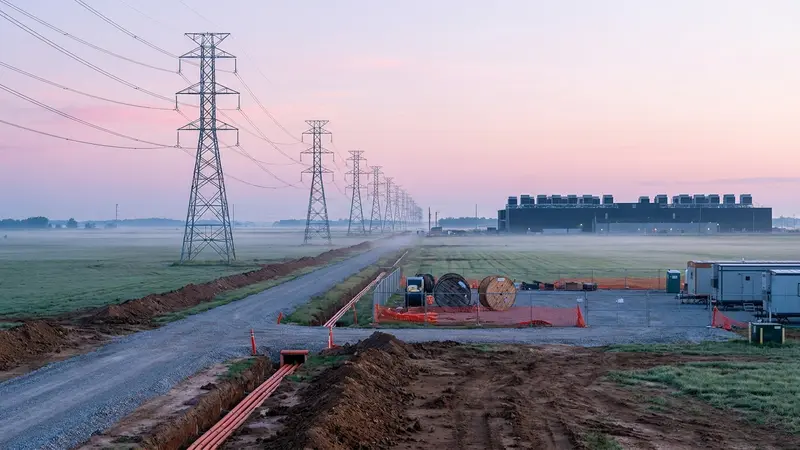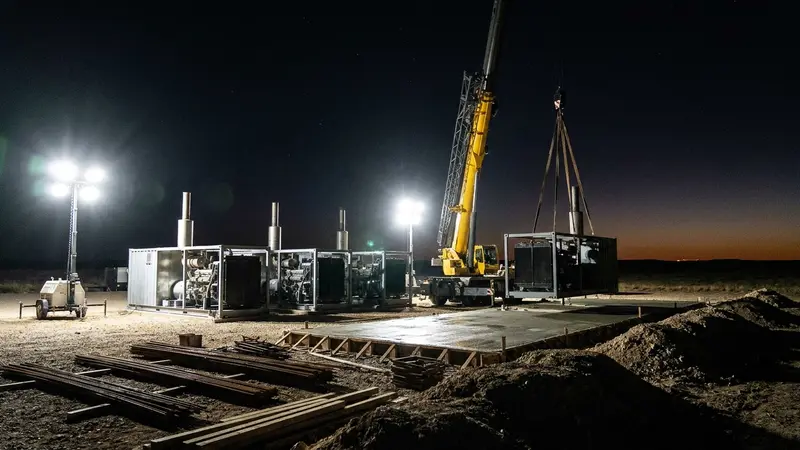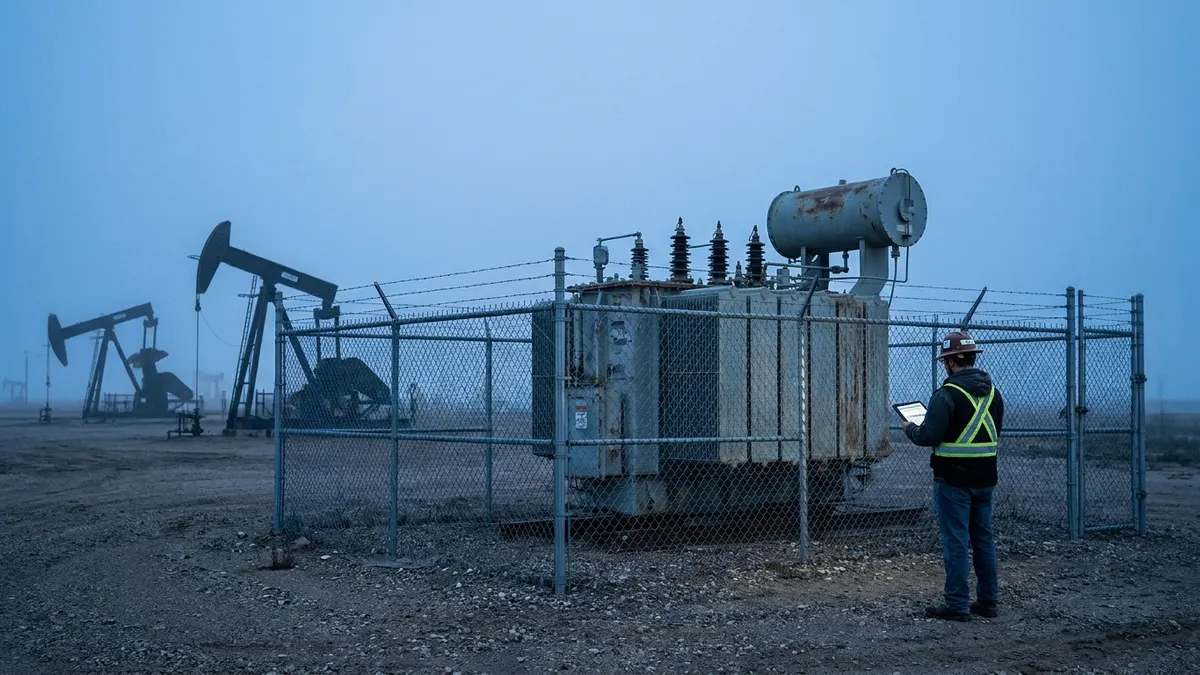
210-Week Transformer Waits Threaten U.S. Grid Project Schedules
Large power transformers now carry wait times of up to 210 weeks, and a new federal restriction on foreign-made grid gear could worsen shortages, Shale Magazine reports.
Market Impact
Demand is not the problem. Shale Magazine cites a JPMorgan analysis projecting about $1 trillion in U.S. grid upgrade investment over the next decade, split 37% to transmission and 63% to distribution. That works out to roughly $370 billion for transmission and $630 billion for distribution. In October, the Department of Energy (DOE) added about $967 million through its Grid Resilience State and Tribal Formula Grant program. ABB reported third-quarter orders up 40% year over year to a record $12 billion globally, with U.S. orders up 82%, citing data centers and utilities.
The supply side is tightening. In August, the president declared a national emergency over the bulk power system. It bars acquisition, importation, transfer or installation of foreign-produced bulk-power equipment when the Energy Secretary finds an unacceptable security or infrastructure risk. Affected equipment could include inverters, transformers and battery energy storage systems that interface with lines rated 69kV or higher. Critics note that about 80% of large power transformers are made outside the U.S. They also say DOE has not published criteria for vendor lists, licensing or restrictions during the order’s 120-day implementation window. The report warns that limits on inverters, switchgear and battery management systems could raise capital costs, given U.S. manufacturing limits and skilled-labor shortages.
What It Means for Subcontractors
- Substation civil (foundations, pads, ductbanks, grounding): A 210-week transformer wait is just over four years. Civil packages tied to a transformer delivery date can slip well past their original notice-to-proceed. Ask the owner or GC whether the transformer is ordered and whether civil is sequenced to delivery or to design completion.
- Line crews on 69kV and above: The order’s named scope is equipment interfacing with lines rated 69kV or higher. Transmission and sub-transmission work faces the most procurement uncertainty. That is an inference from the source. Distribution is 63% of projected spend, so feeder and distribution crews may hold steadier backlog if equipment sits below that threshold.
- Commissioning and testing crews: Late transformer and switchgear deliveries push energization, relay testing and commissioning to the right. Build slip into crew schedules and avoid committing the same technicians to overlapping energization dates.
- Equipment-dependent scopes (inverters, BESS, switchgear installation): These are named in the source as exposed to the restrictions. Before pricing, ask the owner who carries the risk if a foreign-made unit is barred after award. Seek escalation or standby-cost language for the 120-day implementation window.
- State-level grant work: The $967 million flows through state, territorial and tribal formula grants. Resilience projects will be awarded at the state level, so check your state energy office’s grant announcements for project lists. The source names no portal or award schedule, and none is public in the material provided.
- Domestic sourcing questions: With 80% of large power transformers imported, ask GCs now whether their procurement plans assume domestic units. If not, expect rework of delivery schedules once DOE sets its rules.