PPE or Engineered Fall Protection? How to Choose by Jobsite
Anchorage that can support 5,000 pounds per attached worker is the baseline for non-certified anchor points, according to a Q&A in Safety+Health magazine with Dave Stagon of MSA Safety. He says PPE and engineered systems often work together: the system supplies the anchorage or lifeline, and the worker wears a compatible harness and connecting device.
The piece recommends starting with a fall protection hazard assessment. Eliminate hazards where feasible, then use passive protection such as guardrails. Active systems come last, with restraint preferred over arrest. For arrest, check clearance, swing-fall exposure, equipment compatibility and anchorage strength. Certified anchorages must be part of a complete arrest system with a safety factor of at least two, under a qualified person’s supervision.
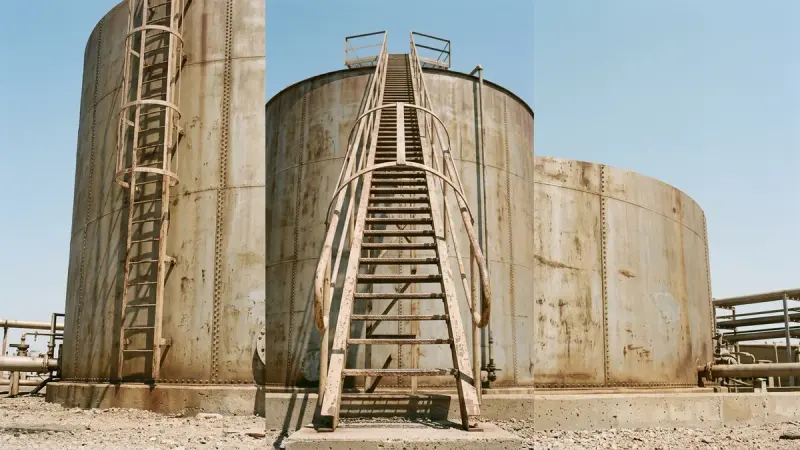
Stagon says portable PPE suits temporary work and changing sites. Engineered systems, such as horizontal lifelines, ladder systems and roof access systems, fit recurring access to rooftops, loading areas, industrial facilities and fixed ladders. For general-industry fixed ladders over 24 feet installed on or after Nov. 19, 2018, OSHA requires a personal fall-arrest system or ladder safety system.
What It Means for Subcontractors
- Recurring-access work: Roofing, mechanical and maintenance crews at the same rooftop or industrial facility can ask the site owner whether engineered anchorage exists. Get the documented connection points and their limits before mobilizing. Otherwise, price in time to evaluate anchorage on every setup.
- Fixed ladders: On general-industry ladders over 24 feet installed on or after Nov. 19, 2018, confirm a ladder safety system or arrest system is in place. Ask for the rescue plan too, since the source says to evaluate it alongside the fall arrester and harness connection.
- Your own program: Documentation should cover a prompt rescue plan, approved connection points, and inspection and reassessment requirements. Retrain when conditions or equipment change. Our read, not the source’s: owners may ask for this paperwork at prequalification.