New ASTM SIF Standards Reach Non-Injury Events, Prequal Next
Three new global SIF standards are now available, and one, ASTM E3519-26, extends the framework to non-injury events such as fires and releases, Safety+Health Magazine reports in a column by NSC consultant Ben Ferguson.
Market Impact
The standards came out of the National Safety Council’s serious incident and fatality prevention workstream, developed with ASTM International. A volunteer group of leaders built SIF criteria into the existing global standard for recording work-related injuries and illnesses. The column names two of the three standards: E3519-26 and the new E2920-26. E2920-26 focuses on life-ending, life-altering or life-threatening impacts. E3519-26 covers business-ending, business-altering or business-threatening impacts.
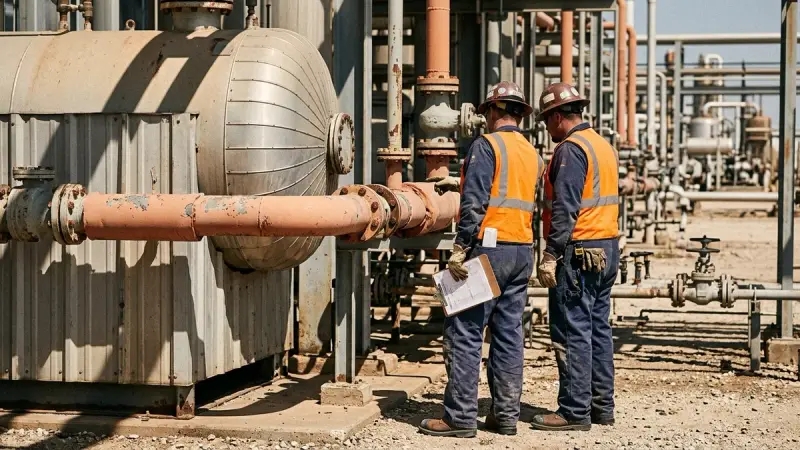
E3519-26 applies SIF logic to events with lethal potential that may not have injured anyone, including explosions, business disruptions, incidents affecting the public and environmental releases. It sorts them as actual (aSIF) or potential (pSIF). The aSIF examples in the column are:
- Total loss of an operating structure to fire or severe weather
- Releases that trigger shelter-in-place orders in adjacent communities
- Business disruptions longer than 24 hours from threatened or actual violence
- Environmental releases that cause wildlife kills or vegetation loss
A pSIF is an event that fell short of those levels but could have reached them if not for a safeguard or luck. The standard lets organizations set their own pSIF prioritization criteria.
All of the new and updated standards also label events as “controlled” (safeguards present and working) or “uncontrolled” (safeguards missing or failed). The column also describes using the word “lucky” when safeguards failed, the actual impact was minor, and the potential impact was catastrophic.
What It Means for Subcontractors
The source does not say any owner or GC has adopted these standards, and it gives no effective date. Our read, not the source’s: client adoption will lag, so this is a next-two-quarters item, not an immediate mandate.
This quarter
- Get the text of E2920-26 and E3519-26 through ASTM International. Compare your incident categories against them, especially how you log near misses and non-injury events.
- Check whether your system can tag events as controlled or uncontrolled based on safeguards, and flag potential-severity events. Most recordkeeping setups track only injuries and illnesses.
- Ask the safety or prequalification contact at your top GC clients whether they plan to adopt the standards, and whether they will change prequal questionnaires or scorecards. Do this before your next prequal submission.
Position for later
- Pay attention to the E3519-26 event types if your crews do hot work, handle releases or work around adjacent communities. Fire, shelter-in-place releases and environmental releases with wildlife or vegetation impact are the examples named.
- Prepare to show how you treat pSIF events: reporting, learning and improvement “with high rigor,” in the column’s words. A documented method will matter more than a perfect record if clients start asking.
- Expect the “lucky” label to show up in owner safety reviews. If a safeguard failed on your scope and the outcome was minor, plan for the event to be treated as serious.