Work Zone Safety Starts at the Top, Not the Rulebook
According to Construction Executive, roadway and infrastructure subcontractors need to treat workforce safety as more than a regulatory obligation, with construction leaders playing a major role in creating environments where work zone safety is taken seriously at every level.
Why Work Zone Safety Culture Matters
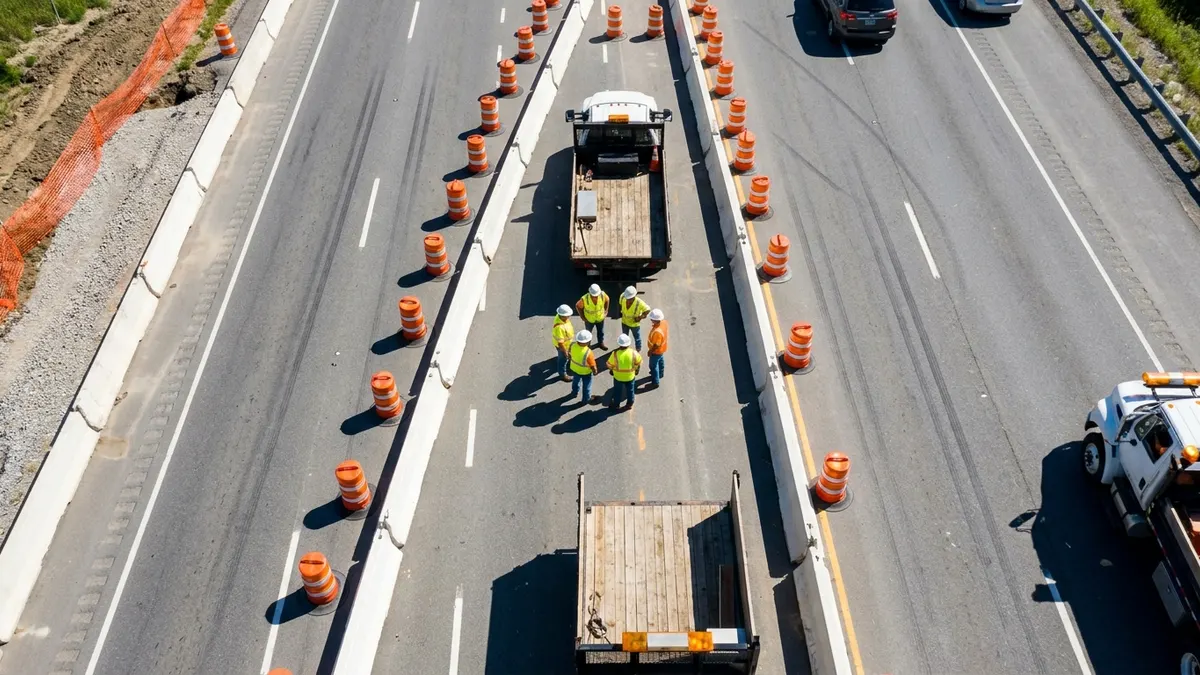
Work zone crews routinely operate only feet away from moving traffic, making the stakes exceptionally high. According to the article, written by Damian Simoneaux and published June 9, 2026, every work zone incident carries lasting effects on workers, their families, and the broader company, including costs that extend well beyond the immediate incident. Companies that prioritize proactive safety planning, the piece argues, are better positioned to manage those risks before they become incidents.
Work zone fatalities remain a persistent concern across the industry, with federal data from OSHA and the Federal Highway Administration consistently identifying traffic intrusion and struck-by incidents as leading causes of death on roadway construction sites.
What It Means for Subcontractors
Highway, utility, and roadway subcontractors heading into peak summer season should take note of the five leadership practices Construction Executive identifies:
- Consistent communication: Hold daily safety meetings to reinforce expectations and address changing site conditions before work begins.
- Tailored training: Work zones present unique hazards that require workers to stay alert to conditions not found on standard jobsites. Generic safety training won’t cut it.
- Pre-work coordination: Run pre-task planning sessions, review traffic control plans, and ensure clear communication between crews before mobilizing.
- Near-miss reporting: Build a reporting culture where close calls get logged and reviewed, not ignored. Those reports are early warning signals.
- Visibility measures: Properly positioned barriers and high-visibility PPE remain a baseline requirement, not an afterthought.
The core message for subs: safety culture is set by leadership behavior, not compliance checklists.